
土耳其的怒火:駁反對派指控 艾爾段:現在正值民主春天
土耳其伊斯坦堡推動開發案,政府決定剷平塔克辛廣場的哲吉公園,
重現鄂圖曼帝國時代的軍營,內部再讓商家進駐,打造成購物商場。
原本只是守護公園幾棵樹木的抗議,為何會演變成喧囂的暴力衝突?
這條環境保護的導火線,炸開土耳其民眾對政治及經濟的不滿。
假使存在媲美橫掃中東世界民主起義的「土耳其之春」,那麼總理艾爾段認為,帶領這場起義的正是他本人,而非那些抗議人士。
艾爾段憑自身強勢、武斷的姿態,加上吸引保守派伊斯蘭教信徒的共同情感,凱莫爾1923年創立世俗的現代土耳其共和國以來,還沒有哪位政治領袖能像他一樣主導土耳其的政治。
然而,爆發數年來最激烈的一場反政府抗爭,即使艾爾段的忠實支持者都感到訝異。艾爾段的威權人格,是否正威脅到他掌權之初所推動的民主改革?這個問題浮出了檯面。
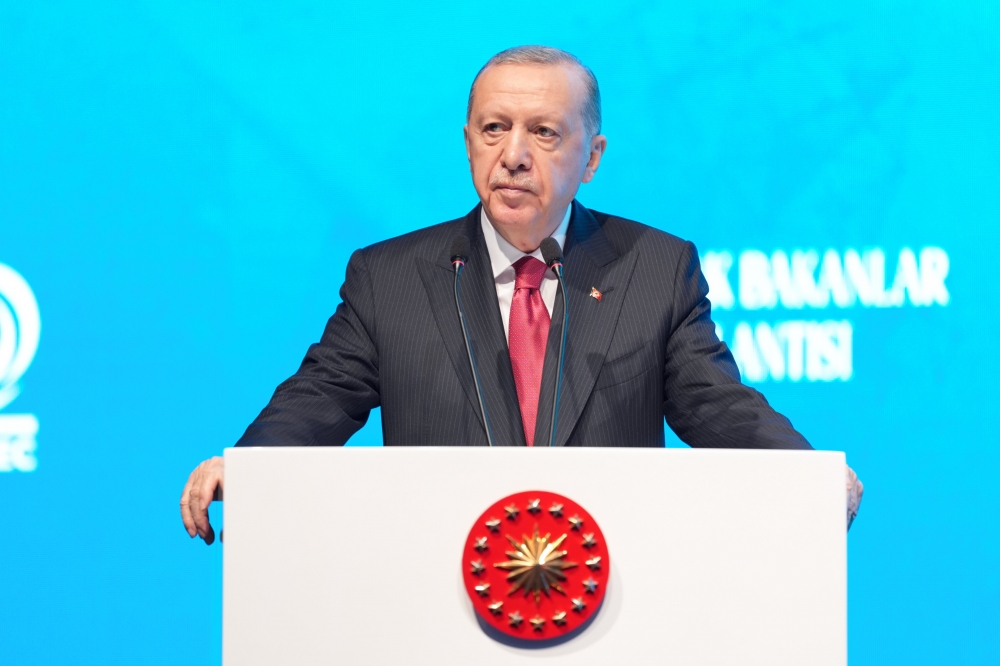
■土耳其總理艾爾段拜訪阿爾及利亞,聽取阿爾及利亞國會議長的致詞,圖攝於4日。(圖文/路透)
抗議者聚集在伊斯坦堡的塔克辛廣場,或多或少讓人想拿它跟開羅的解放廣場做比較。但艾爾段表示:錯了。
「外國媒體上有些人談論『土耳其之春』,我們早就經歷過『土耳其之春』了,我們已然身在其中。」他告訴記者:「那些想要回去冬天的人是不會成功的。」
標榜自己的民主成就
艾爾段認為自己最大的成就,就是馴服了那些長期牽絆土耳其的反民主勢力,尤其是死硬派的世俗軍方,他們在20世紀後半葉曾4次推翻政府。
他拔除強硬派世俗主義者當中的「深層國家勢力」(編按:土耳其政治用語,指政府內部的反民主勢力),這些反對民主改革的人士,安棲於維安、司法及公家單位。
數百名軍官以密謀反對艾爾段的罪名遭拘禁。艾爾段展現政治勇氣,一方面與軍方將領對幹,令一方面與庫德族反抗軍謀求和議。
但在反對派看來,他的行為是在打壓反對派,意圖顛覆世俗秩序,但艾爾段否認這項指控。
「如果他們把國家的公僕稱作獨裁者,我真不曉得該說甚麼。」在政治騷動進入最高潮的週日(2日),艾爾段難掩鄙夷地說道:「除了服務7千6百萬名公民,我沒有任何其他盤算。」
發生暴力衝突這4天,伊斯坦堡及安卡拉的鎮暴警察,有坦克、發射催淚瓦斯的直升機及強力水柱助陣。這場衝突的起因,乃因政府想在塔克辛廣場上建造一複製鄂圖曼時代的軍營。
艾爾段在政壇上就像在足球場上一樣,是一名鬥志昂揚的戰士。「如果這是舉行集會、如果這是一場社運,他們在那裡聚眾20人,我就還以顏色聚集20萬人;他們聚眾10萬人,我就號召1百萬人。」
如此激烈的措詞,幾乎看不出這件事情讓他學乖。艾爾段曾因公開唸詩被視為支持政治伊斯蘭,結果在1990年代身陷牢獄之災,他在獄中的脾氣已有收斂。
民眾對威權作風心生厭煩
「我想,我們看到的艾爾段更像早年的艾爾段。」伊斯坦堡經濟暨外交政策研究中心的主任烏爾根表示:「儘管很多理由讓他可以選擇平息風波,但他繼續目空一切的原因是極端化、拒絕妥協的政策,過去讓他嚐了甜頭,他相信以後還是能夠如此。」
艾爾段還是男孩時,在工薪階級社區卡辛帕沙學習《可蘭經》及踢足球,這裡仍有相當多人支持他。但即使是忠實支持者也承認,艾爾段的威權統治風格正磨損他們的耐心。
「抗議者已經播下不滿的種子,栽下利比亞、伊拉克、敘利亞及埃及的種子。」一名自稱哈比普的校車司機表示:「總理有機會讓局面冷靜下來,他應該要折衷的,但他沒有。他的分化言論磨利了割裂社會的匕首。」(路透)
If there is a "Turkish Spring" to rival the pro-democracy uprisings that swept the Middle East, Prime Minister Tayyip Erdogan believes that he, and not protesters in Istanbul, is leading it.
Erdogan has used his blustering, assertive style and a common touch that courts the conservative Islamic to dominate Turkish politics like no leader since Mustafa Kemal Ataturk founded the modern secular(1) republic in 1923.
But the fiercest anti-government protests for years have shocked even Erdogan loyalists, and raised questions over whether an authoritarian personal style now threatens democratic reforms from the early days of his decade in power.
The gatherings of demonstrators on Istanbul's Taksim Square have drawn loose comparisons with protests on Cairo's Tahrir Square; but no, said Erdogan.
"Those in the foreign media who talk about a 'Turkish Spring', we are already going through a 'Turkish Spring', we have been living in it," he told reporters. "Those who want to turn it into winter will not succeed."
Erdogan sees his crowning achievement as taming anti-democratic forces that had long held Turkey back, in particular a staunchly secular army that intervened to topple governments four times in the second half of the 20th Century.
He has rooted out a "deep state" of hardline secularists ensconced in the security services, judiciary and civil service and resisting democratic reform.
Hundreds of military officers have been jailed on charges of plotting against Erdogan, he has shown political courage not only in confronting the generals but in seeking a peace deal with Kurdish rebels.
Opponents, however, see in his actions a ploy to stifle opposition and subvert the secular order, an accusation he denies.
"If they call a person who is a servant of the nation a dictator, I can find nothing to tell them," he said on Sunday during the height of the unrest, with thinly concealed contempt. "I have no concern but to serve my 76 million citizens."
The four days of violence, in which riot police backed by armoured vehicles and helicopters(2) fired tear gas and water cannon(3) in Istanbul and Ankara, was triggered by government plans for a replica Ottoman-era barracks(4) in Taksim Square.
Erdogan is a fighter on the political field as he was on the soccer pitch. "If this is about holding meetings, if this is a social movement, where they gather 20, I will get up and gather 200,000 people. Where they gather 100,000, I will bring together one million," he said of the protests.
Such fiery rhetoric does little to suggest he might have been chastened by events. He is a man tempered by having served time in prison himself in the 1990s for publicly reciting a poem deemed to promote political Islam.
"I think what we've seen is more of the traditional Erdogan," said Sinan Ulgen, chairman of the Istanbul Center for Economics and Foreign Policy Studies, EDAM. "The reason he remains defiant despite having every reason to appease the situation is that this policy of polarization, of eliminating the middle ground(5), has served him well in the past and he believes it will continue to do so."
In Kasimpasa, the working-class neighbourhood where Erdogan studied the Koran and played football as a boy, he still enjoys a strong following; but even loyal supporters acknowledge their patience with his authoritarian style is wearing thin.
"The demonstrators have sown the seeds of discontent. They've planted the seeds of Libya, Iraq, Syria and Egypt," said a school bus driver who gave his name as Habip. "The prime minister had an opportunity to calms things down. He should have been conciliatory, but no. His divisive speech grinds and sharpens the knife dividing our society."(Reuters)
關鍵字詞
1.secular(a.)世俗的、非宗教的
2.helicopter(n.)直升機
3.water cannon(n.)鎮暴水柱
4.barrack(n.)兵營、軍營
5.middle ground(n.)妥協、中間立場
相關新聞
【世界盃】巴拉圭64秒閃電進球 土耳其狂射62次0進球遭淘汰

《世足熱聯》如何看待土耳其2場狂轟62射未進球之尷尬紀錄

【2026世界盃】巴拉圭1比0力克土耳其 加拉薩64秒進球 阿爾米隆「遮嘴交談」收紅牌

國際首獎、臺灣之光 臺灣青年指揮家陳巍中勇奪土耳其國際指揮大賽首獎

臺灣青年指揮家陳巍中勇奪土耳其國際指揮大賽首獎 躍上國際樂壇新舞台

臺灣之光榮耀全球新世代音樂舞台! 台臺灣青年指揮家陳巍中勇奪土耳其國際指揮大賽首獎

【2026世界盃】澳洲2比0爆冷擊敗土耳其 伊蘭昆達締造隊史最年輕進球紀錄
土耳其宣布與以色列斷交!艾爾段譴責:以國進行「種族滅絕」
土耳其為何轉變態度? ——解讀土耳其支持烏克蘭加入北約的四大關鍵
土耳其總統艾爾段:國防科技快速發展 躍居全球規範制定者

土耳其政局動盪:反對派領袖遭罷黜後,鎮暴警察強行突襲黨部

Native Camp「環遊世界一周」教材系列:探索土耳其的文化與魅力
世界果仁蜜餅日 一同享用土耳其的經典美味
